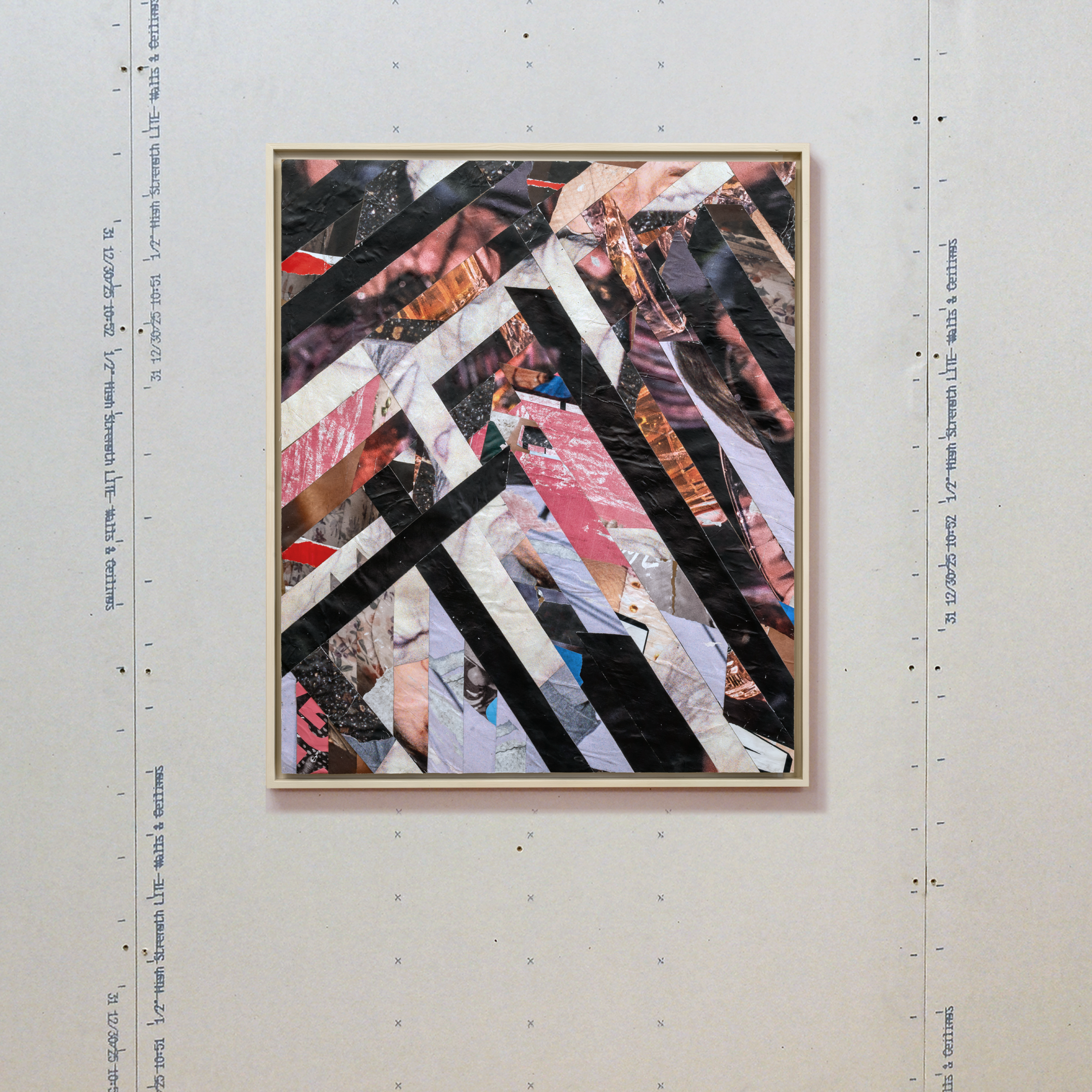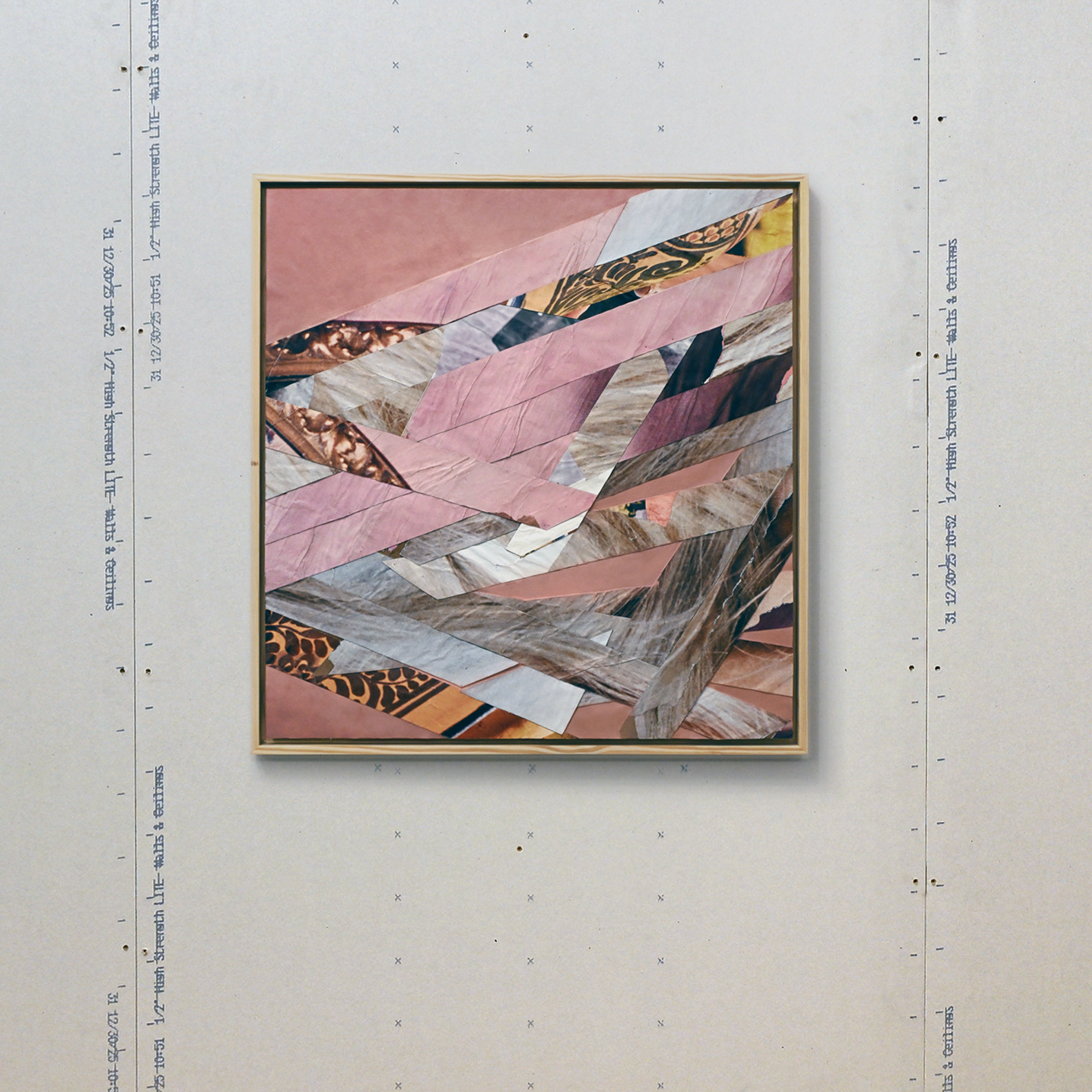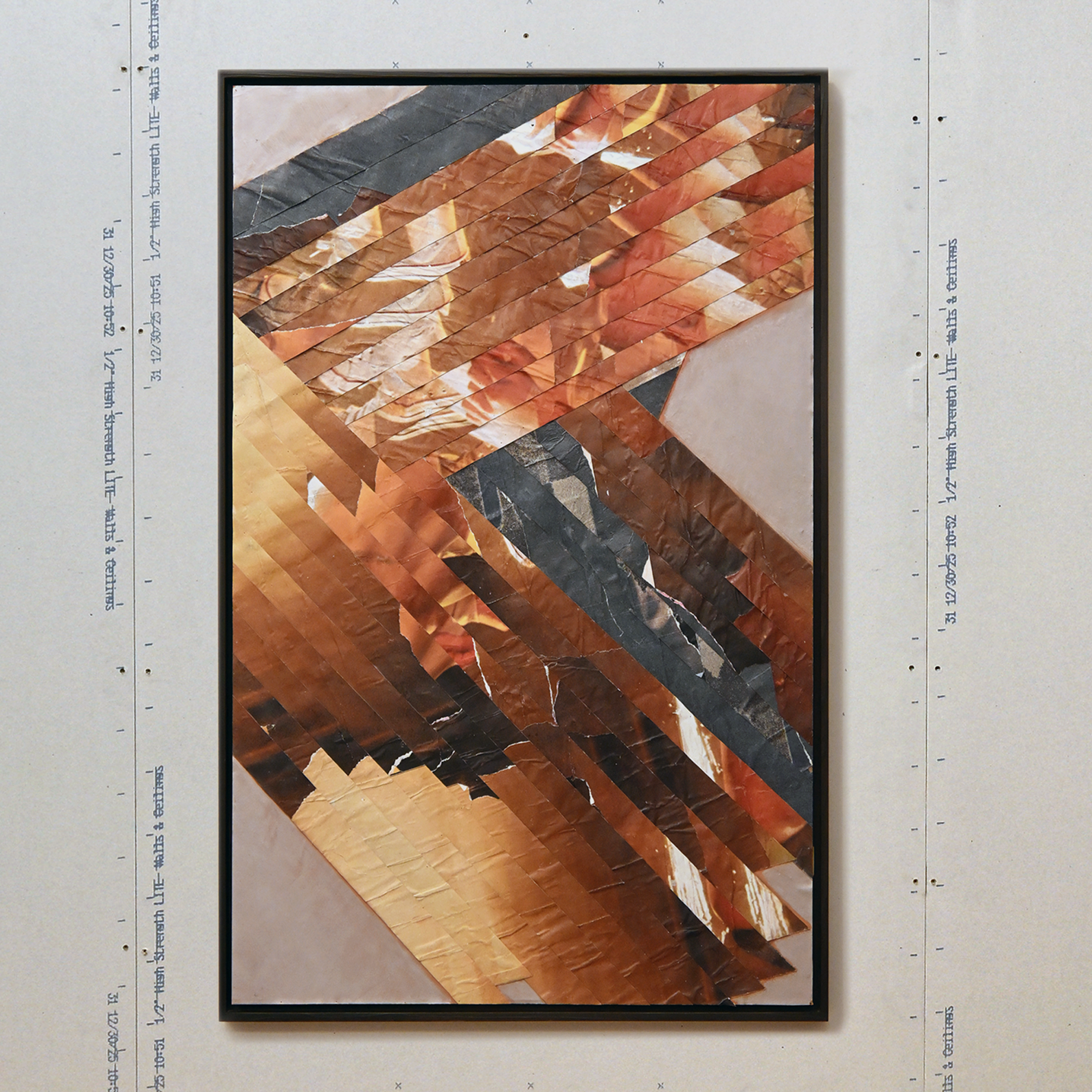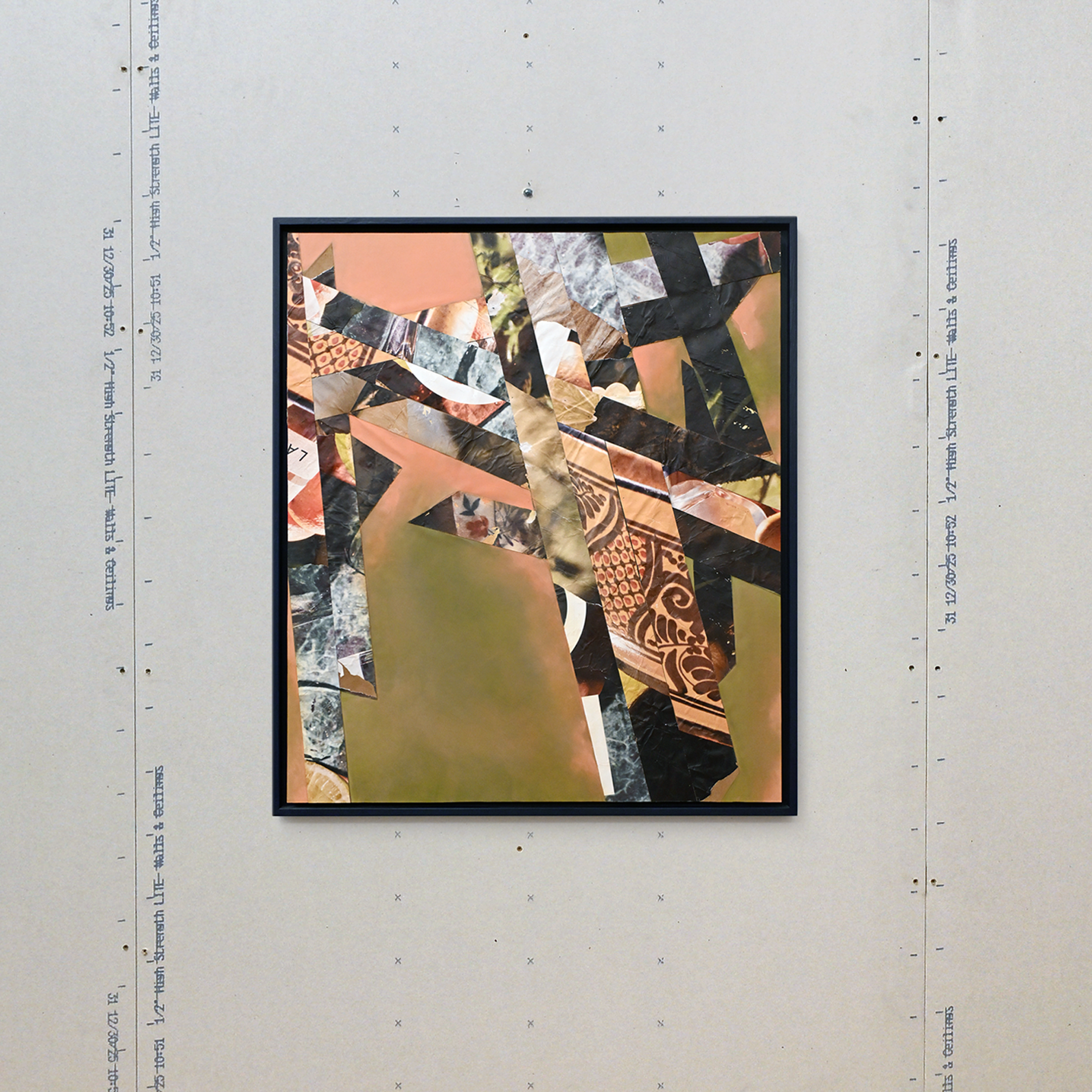
You’ve seen it Before
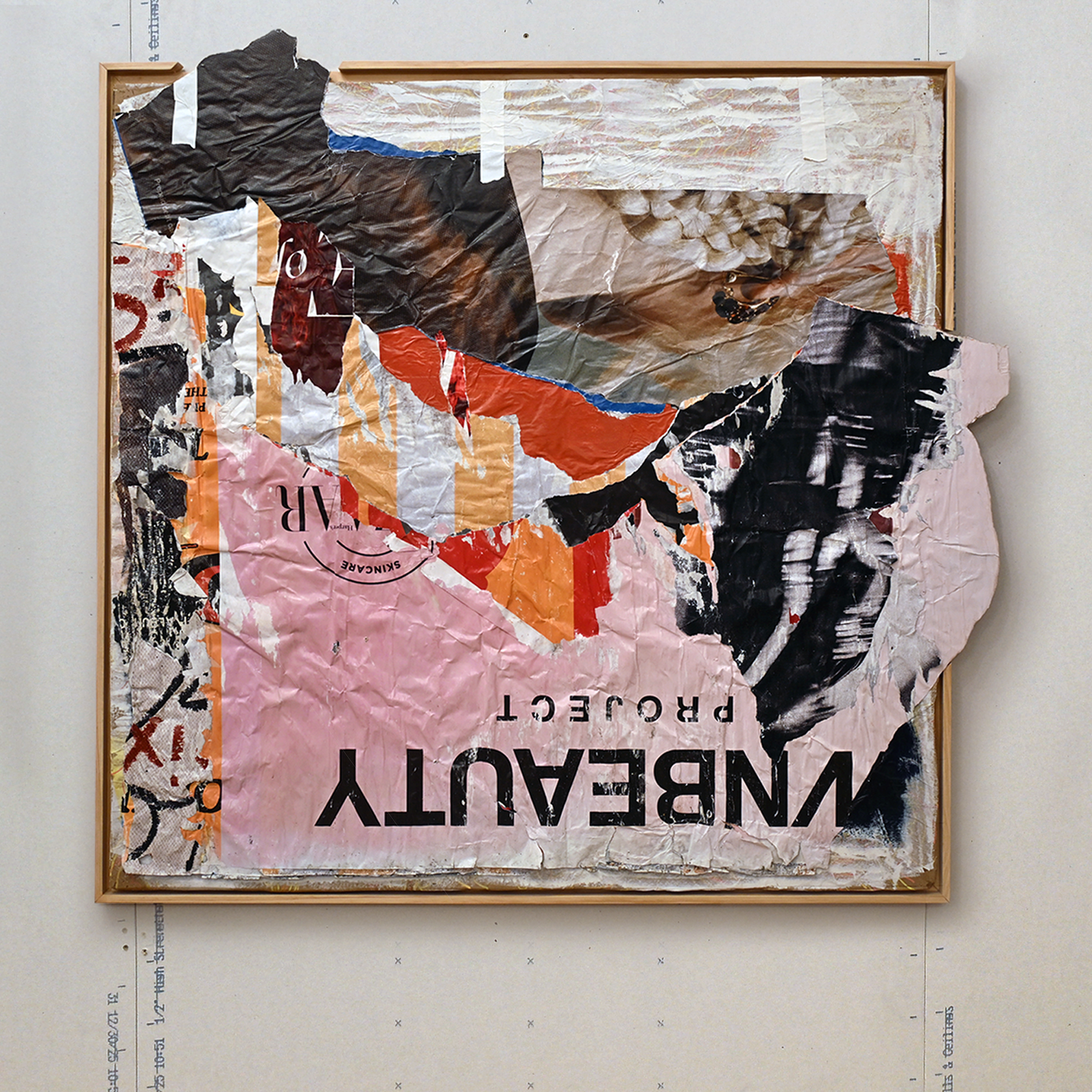
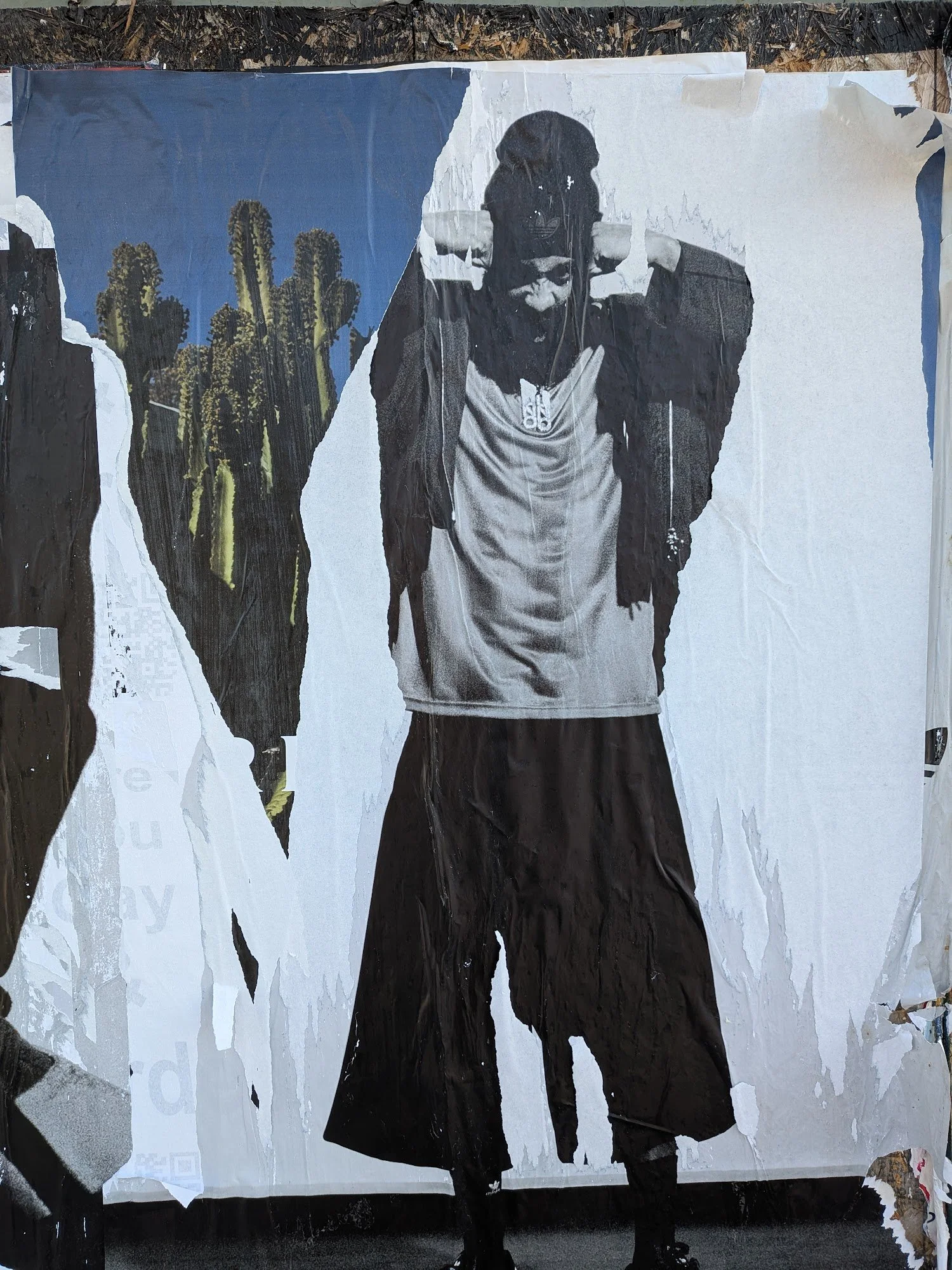
Billboard advertisements are pasted onto walls across Los Angeles — utility boxes, construction barriers, bus shelters. They layer over one another, tear, bleach in the sun. You pass them on your way to work. You pass them again on the way home. They are so constant and so ordinary that they disappear into the surface of the city, no more noticeable than concrete or stucco. Everyone who lives here sees them. Almost no one looks at them.
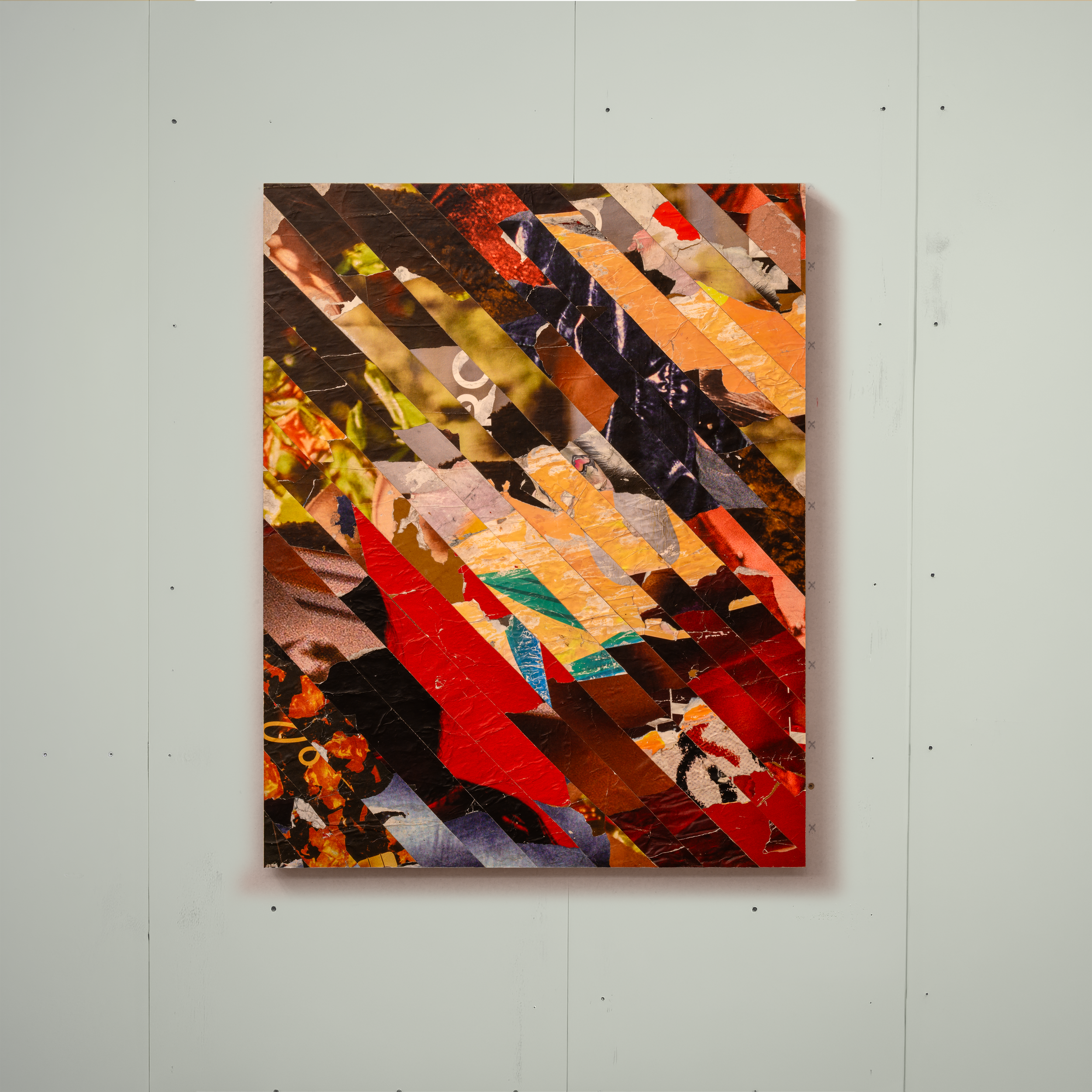
But stop and look, and they are extraordinary as objects. The color is saturated and precise. The printing is flawless. The paper itself has weight and tooth. Torn, they reveal layers — one campaign over another over another, compressed into a stratigraphy of faces and slogans and color. They are the richest, most abundant material a city produces, and it replaces itself constantly.
Paper, glue, a blade.
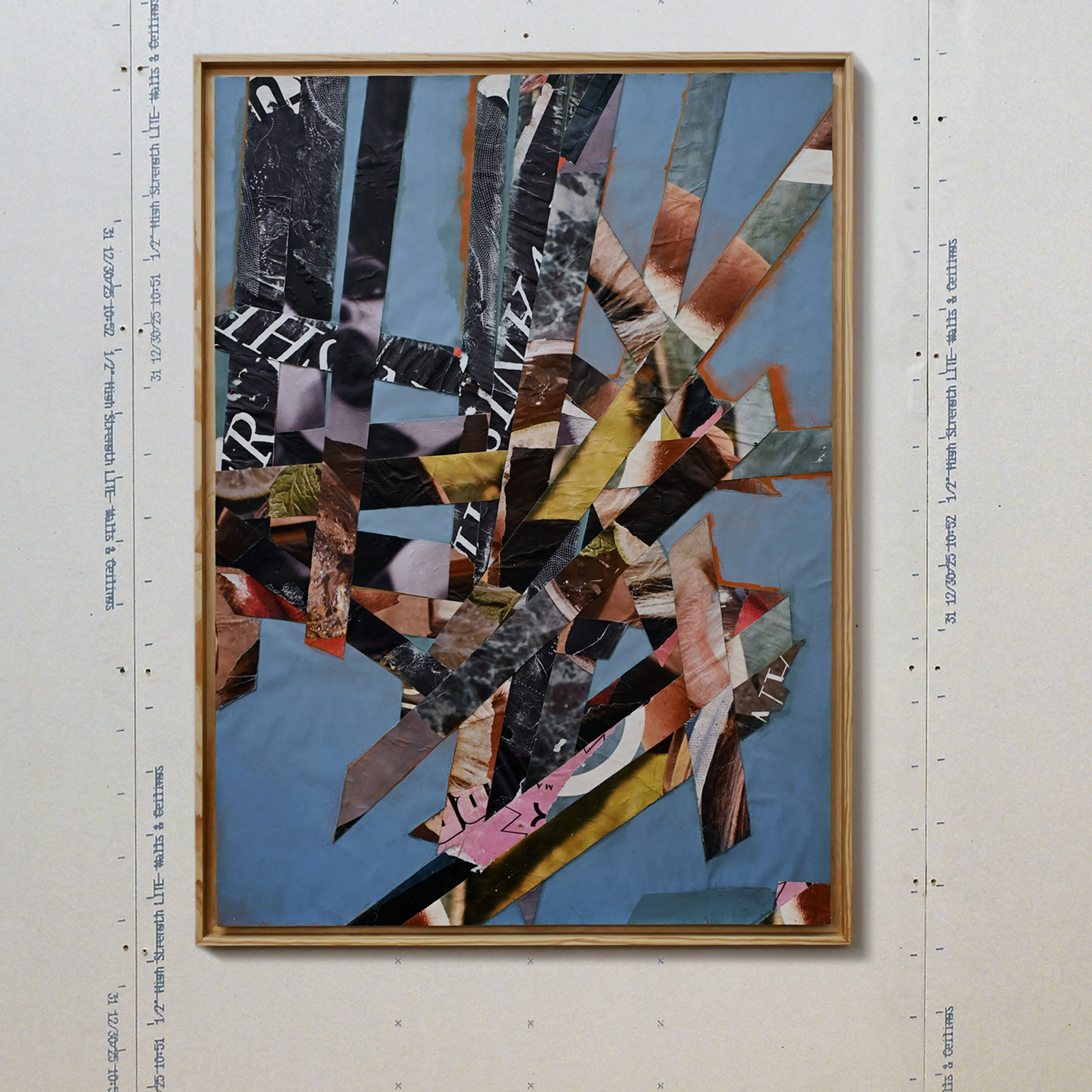
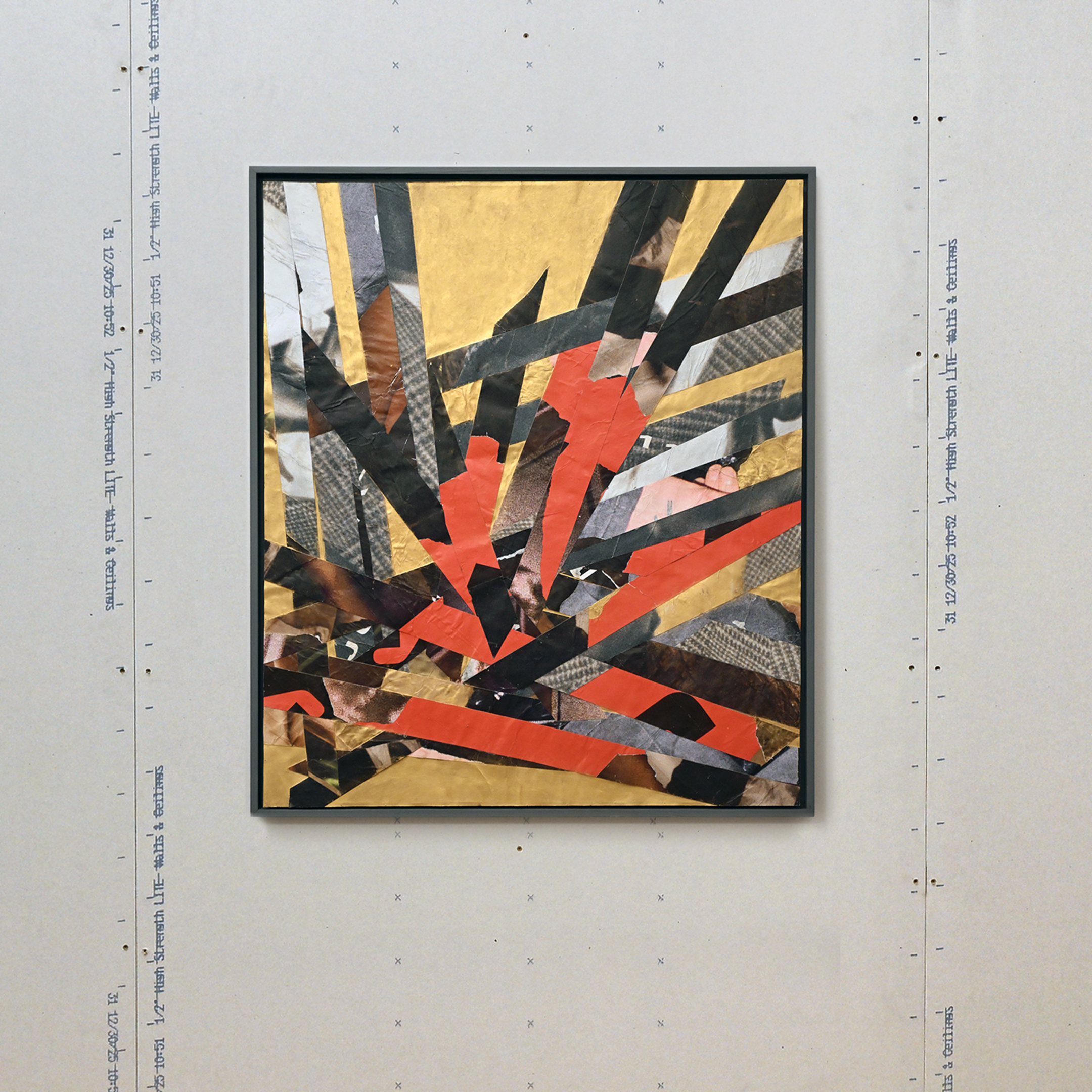
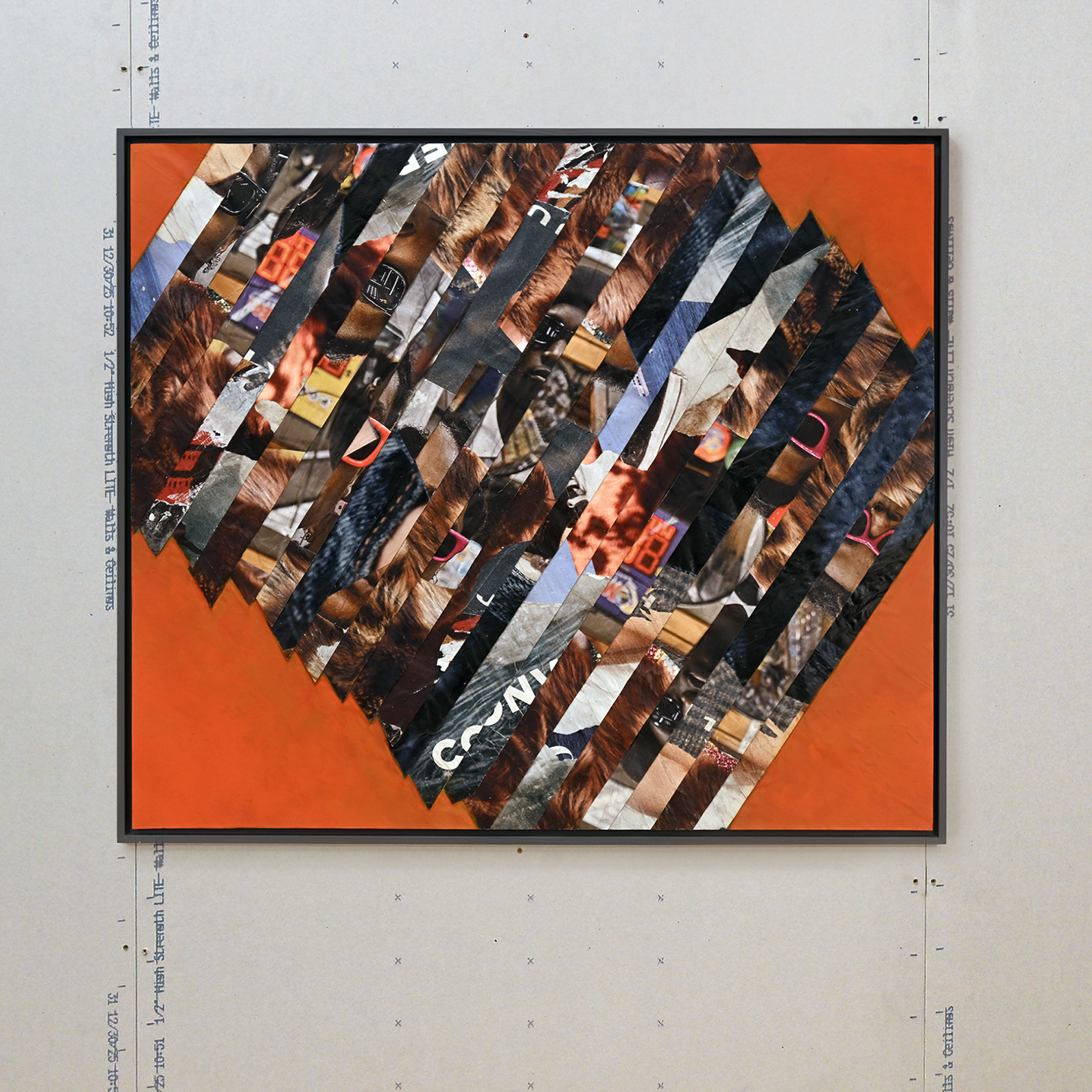
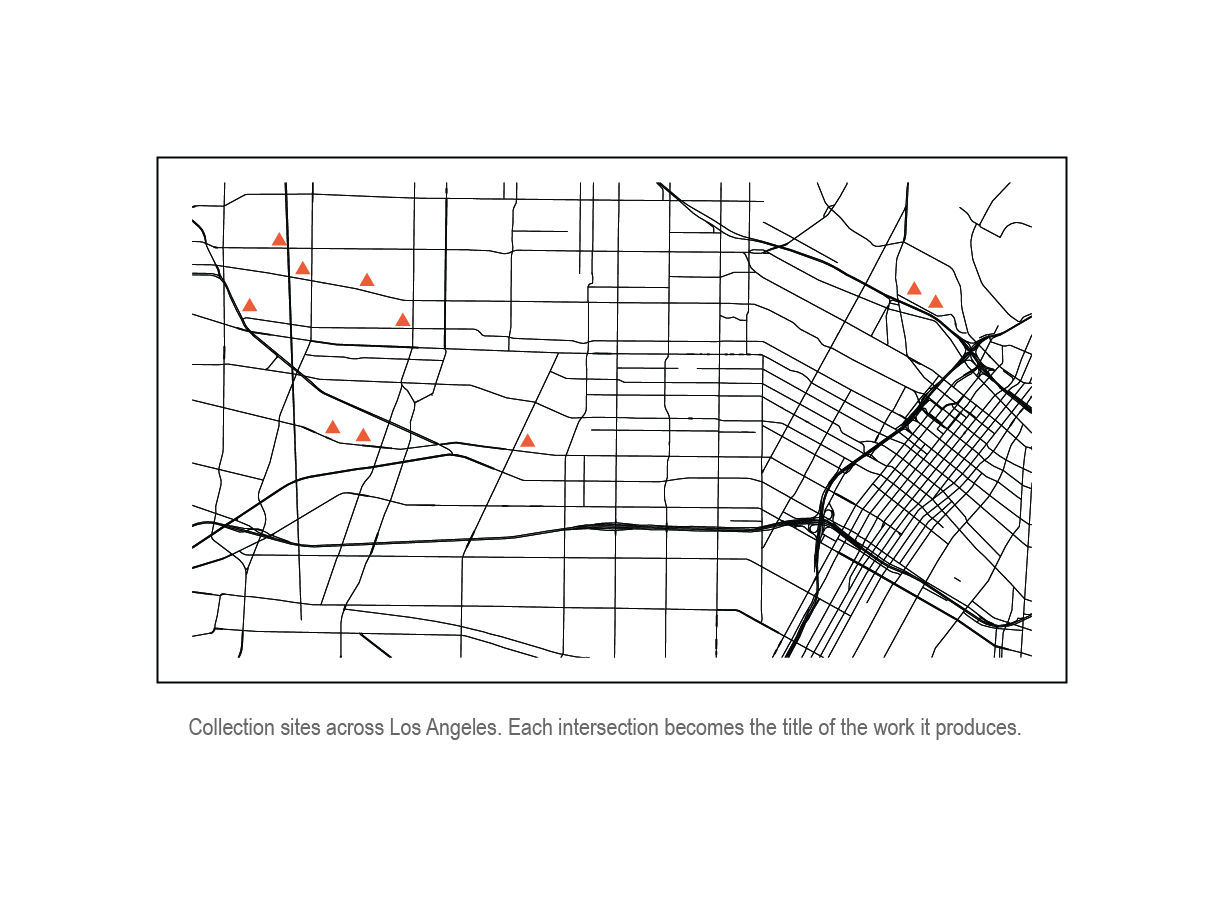
Each part of the city has its own voice — the billboards on Fairfax are different from the ones along Pico, which are different from what shows up on La Brea. The intersection where the material was collected becomes the title. Gold: Beverly / Fairfax. Cadmium: Melrose / Fairfax. Sepia: Washington / Sweetzer.
I don't choose the palette or the imagery. Whatever is on the walls at a given place on a given day is what I have to work with. The city provides the material the way a season provides a kitchen with what it has.
Fragments are assembled into a long horizontal composition, searching for the places where unrelated images begin to hold together. Then the whole thing is cut diagonally, and what I built becomes something else — a new set of angled forms I didn't plan for. From that point forward I am responding rather than directing. Painted fields are added to give weight and air to what has appeared.
There is something elemental about working with paper. Everyone knows it. Everyone has held it, torn it, folded it, glued it. Every city produces this material — Tokyo, Mexico City, London — each with its own palette, its own visual language. This work comes from Los Angeles, a city that already exists as image before it exists as place. The material was always there, on every block, ordinary and overlooked. I bring the pieces together.
Price for original available upon request: